
My country produces a large amount of crop straw annually. Directly returning it to the field results in slow decomposition and susceptibility to pathogens. Converting it into commercial organic fertilizer is a highly efficient way to utilize its resources. Achieving this conversion hinges on three key technologies: straw softening treatment, application of rapid fermentation agents, and adjustment of the carbon-nitrogen ratio. Mastering these techniques will transform straw “waste” into high-quality organic fertilizer.
Straw Softening Treatment: Crushing and Pretreatment
Straw’s main components are cellulose, hemicellulose, and lignin. It is hard and has a waxy surface, making it difficult for microorganisms to decompose directly. Therefore, crushing and softening are the first steps.
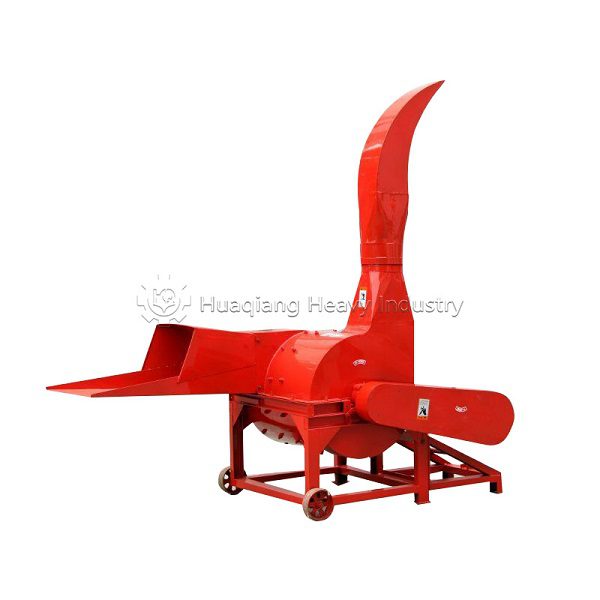
Crushing Fineness: Use a straw crusher (hammer mill or chopper type) to cut the straw into 2-5 cm pieces. Too short (<1cm) will easily cause caking and poor aeration; too long (>10cm) will significantly prolong the fermentation cycle. Corn and wheat straw are brittle and can be crushed in one pass; rice straw is more pliable and requires secondary crushing or processing with a shredder.

Softening Method: After crushing, the straw needs to be pre-wetted (sprayed with water to a moisture content of 60%-65%) and piled for 24-48 hours to allow the fibers to absorb water and swell. If conditions permit, urea ammoniation treatment can be used: add 3%-5% urea solution according to the dry weight of the straw and seal for 7-10 days. Ammonia can both break down the lignin structure and soften the straw, and also supplement the nitrogen source, achieving two benefits at once.
Mechanical Assistance: For large-scale processing, a straw shredder can be used instead of a regular crusher. It uses high-speed hammers and toothed plates to rub and tear the straw into fine filaments, increasing the specific surface area by more than three times compared to traditional cutting, which is more conducive to microbial infection.
Application of Rapid Fermentation Agents: Targeted Degradation of Microbial Community Under natural conditions, straw decomposition takes 3-6 months; using rapid fermentation agents can shorten the cycle to 25-35 days.
Microbial Agent Selection: A complex microbial system containing cellulose-degrading bacteria (such as Trichoderma and Penicillium), lignin-degrading bacteria (such as white-rot fungi and Phanerochaete chrysosporium), and thermogenic bacteria (such as Bacillus subtilis) should be used. Single-strain microorganisms have limited effectiveness. For commercially available straw fermentation agents, check the effective viable cell count; it should be ≥1 billion CFU/g.
Application Method: Mix the microbial agent with 10 times its weight of wheat bran or rice bran, then evenly sprinkle it into the material at a ratio of 0.5-1 kg (powder) or 1-2 liters (liquid) per ton of straw. It is recommended to inoculate in two layers: first mix half of the microbial agent with the bottom layer of straw, then sprinkle the remaining microbial agent when the pile reaches half its height.
Environmental Requirements: The material temperature after inoculation should be above 15℃. For winter production, supplement with insulation covering or use low-temperature resistant microbial strains. Do not turn the pile during the initial fermentation stage (first 5 days) to facilitate microbial colonization; thereafter, turn the pile every 3-5 days.
III. C/N Ratio Adjustment: From High-Carbon to Suitable The C/N ratio of straw is generally high (approximately 70:1 for corn straw and 80:1 for wheat straw), while organic fertilizer fermentation requires a ratio of 25-35:1. Nitrogen deficiency severely restricts microbial reproduction and fermentation speed.
Nitrogen Source Supplementation: An additional 10-15 kg of urea or 40-60 kg of fresh chicken/pig manure needs to be added per ton of dry straw. Urea should be added in two stages: the first time, 70% should be evenly spread during stacking, and the second time, the remaining 30% should be added during turning.
Adjustment Calculation: Target C/N = 30:1, known straw C/N = 70:1, nitrogen content approximately 0.6%. Required Nitrogen Increase (kg/ton) = Straw Dry Weight × (Straw Nitrogen Content × (70/30 – 1)). Simple Experience: Adding 12 kg of urea per ton of straw generally meets the target.
Auxiliary Adjustment: Mixing 10%-20% of leguminous green manure (such as alfalfa or milkvetch) or well-rotted manure can simultaneously improve the carbon-nitrogen ratio and introduce beneficial indigenous bacteria.
Composting and Maturity Assessment: Compost the adjusted straw material into windrows 2-3 meters wide and 1.2-1.5 meters high, maintaining a moisture content of 55%-65%. Turn the straw over every 5-7 days. The criteria for qualified composting are: dark brown color, odorless, loose to the touch, pH 7.0-8.0, and seed germination index ≥80%.
The successful conversion of straw into premium organic fertilizer relies on the seamless integration of biological pretreatment and mechanical processing. After softening and C/N adjustment, the material enters a well‑equipped organic fertilizer manufacturing plant, where a chain compost turner ensures thorough aeration and temperature control during the rapid fermentation stage (25‑35 days), while a half-wet material crusher machine further refines the partially decomposed fibers before granulation. For the granulation step, the organic fertilizer granulator series – including disc, drum, or new‑type stirring granulators – converts the fluffy compost into uniform, spherical granules. These machines are part of a comprehensive organic fertilizer machine system, with the granulator machine for organic fertilizer being the core of the production train. When dealing with manure‑rich feedstocks, an animal manure processing machine or dedicated chicken manure fertilizer machine can be integrated upstream to handle high‑moisture materials. While the organic fertilizer equipment price varies with capacity and automation level, the return on investment is compelling: a 10,000‑ton/year straw‑to‑fertilizer line can typically recover capital within 18‑24 months, thanks to low feedstock costs and growing market demand for bio‑organic products. By combining these mechanical solutions with optimized fermentation parameters, producers can consistently transform agricultural residues into high‑quality, soil‑improving organic fertilizer – turning waste into a profitable, sustainable resource.
Summary: The core of straw-based organic fertilizer production lies in “first softening and breaking down the cell walls, then inoculating with functional bacteria, and finally supplementing nitrogen to adjust the carbon-nitrogen ratio.” By following these three key technical points, agricultural waste can be transformed into high-quality organic fertilizer with soil-improving effects, achieving a win-win situation for both ecological and economic benefits. If you are planning a straw resource utilization project or building an organic fertilizer production line, please feel free to contact us. We provide complete solutions, from straw crushing and softening equipment and compound fermentation agents to automatic carbon-nitrogen ratio batching systems, to help you efficiently transform agricultural waste into high-quality commercial organic fertilizer.