
What is Humic Acid Fertilizer?
Humic acid fertilizer is a type of functional fertilizer made from peat, lignite, or weathered coal rich in humic acid. Through processes such as alkali extraction, acid precipitation, and compounding, humic acid is converted into a form that can be absorbed by plants and combined with nitrogen, phosphorus, potassium, and trace elements. Humic acid has a triple effect of improving soil structure, chelating nutrients, and stimulating root growth, making it a core functional component in the production of high-quality organic-inorganic compound fertilizers. The humic acid content (dry basis) of the raw materials must be no less than 40%, with weathered coal reaching 50% to 70%.
Raw Material Pretreatment: Preparation Before Activation
Solid humic acid raw materials (weathered coal, lignite) need to be crushed and sieved before extraction. A Raymond mill or hammer mill is used to crush the raw materials to 80 to 120 mesh (particle size 0.125 to 0.18 mm). The fineness of the powder directly affects the extraction efficiency—for every 20-mesh increase in specific surface area, the alkali extraction rate increases by approximately 5% to 8%. The pulverized material is collected by a cyclone separator, and the initial humic acid content is tested. Calcium, magnesium, and iron ions in the raw material reduce the solubility of humic acid; therefore, it is recommended to pre-treat with 1% to 2% dilute hydrochloric acid (adding 200 to 300 liters per ton of raw material) before extraction, which can improve the subsequent extraction rate by 10% to 15%.
Alkali Extraction: Dissolution and Separation of Humic Acid
Humic acid forms soluble humate salts under alkaline conditions. The extraction reaction is carried out in a stainless steel reaction vessel equipped with a steam jacket and a stirrer. The process parameters are: solid-liquid ratio 1:8 to 1:12, potassium hydroxide or sodium hydroxide concentration 1% to 2%, reaction temperature 80 to 95 degrees Celsius, and reaction time 60 to 90 minutes. Under alkaline conditions, humic acid is converted into potassium (or sodium) humate and enters the liquid phase, while the residue (coal gangue, quartz, etc.) remains solid. After the reaction, a plate and frame filter press is used for solid-liquid separation. The filtrate is a brownish-red humic acid solution, and the solid residue is discarded or used as packing material. The humic acid extraction rate of the primary extraction is approximately 70% to 85%, and the secondary extraction (re-extraction of the residue) can increase it to 85% to 95%.

III. Acid Precipitation Purification (Optional): High-Purity Product Process
For the production of high-purity humic acid (for water-soluble fertilizers or foliar fertilizers), the alkaline extract can be acid-precipitated. Under stirring conditions, dilute hydrochloric acid or dilute sulfuric acid is slowly added to the extract to adjust the pH to 2.0 to 2.5. The solubility of humic acid drops sharply under acidic conditions, causing it to flocculate and precipitate from the liquid phase. After standing for 1 to 2 hours, the precipitate is collected using a centrifuge or plate and frame filter press and washed with water until neutral (wash water conductivity less than 500 microsiemens per centimeter). Wet humic acid is dried at low temperature (below 70 degrees Celsius) and then pulverized to obtain high-purity humic acid powder (content above 90%). The acid precipitation mother liquor needs to be neutralized before discharge or reuse.
Compounding and Granulation: Formation of the End Product
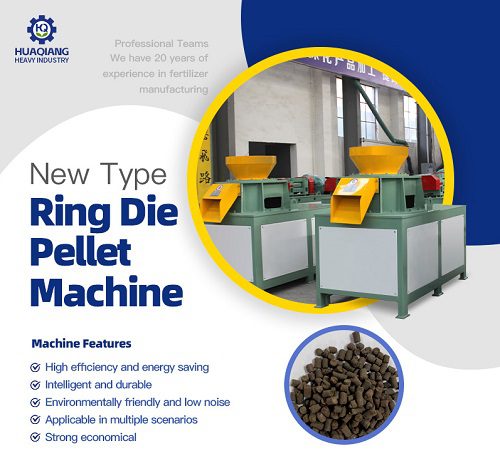
Humic acid is compounded in different ways depending on the target product form. For humic acid compound fertilizer, humic acid extract (or high-purity humic acid powder) is uniformly mixed with nitrogen, phosphorus, and potassium base fertilizers in a mixer. The mixing ratio is determined according to the product design—the humic acid content is usually 5% to 15%. After mixing, the material has a moisture content of approximately 25% to 35%, and is granulated using a roller extrusion granulator or a disc granulator. For humic acid water-soluble fertilizer, the extract is directly compounded with urea, potassium dihydrogen phosphate, and trace elements in a reaction tank. After heating and dissolving, it is homogenized, filtered, and filled. For humic acid organic fertilizer, the extract is sprayed onto fermented and decomposed organic fertilizer raw materials, mixed, and then dried at low temperature.
Key Equipment Configuration and Investment Reference: A 10,000-ton-per-year humic acid compound fertilizer production line (including an extraction unit) includes the following equipment: Raymond mill (1-2 units), alkali extraction reaction tanks (5-10 cubic meters, 316L stainless steel, 2-3 units), plate and frame filter press (60-100 square meters), concentrator evaporator (triple-effect or membrane concentrator), mixer, granulator, and drying and cooling unit. The total investment is approximately US$200,000 to US$400,000. The extraction and concentration unit accounts for 50% to 60% of the total investment.
In terms of annual operating costs, raw materials (weathered coal) account for approximately 30%, alkali reagents approximately 15%, energy (steam, electricity) approximately 25%, and labor and maintenance approximately 20%. The production cost per ton of humic acid compound fertilizer (10% humic acid content) is approximately US$80 to US$120, the market price is US$150 to US$250, and the gross profit per ton is approximately US$50 to US$130. The investment payback period is typically 3 to 5 years. In regions rich in humic acid resources (such as Shanxi, Inner Mongolia, Xinjiang, North Dakota in the United States, and Siberia in Russia), raw material costs can be further reduced by 20% to 30%.
In conclusion, humic acid fertilizer production represents a sophisticated convergence of chemical extraction technology and agronomic functionality, transforming low-grade carbonaceous minerals into high-value soil amendments. The upstream integration of fermentation composting turning technology enables producers to combine humic acid extracts with organic substrates, where large wheel compost turning machine or trough-type compost turner systems ensure aerobic decomposition of blended materials, accelerating the maturation of humic acid-organic composites. For operations processing raw manure as supplementary feedstock, the composting process for animal manure must be precisely synchronized with humic acid extraction schedules to maintain consistent carbon-to-nitrogen ratios and avoid ammonia volatilization. When field-scale windrow management is preferred, the windrow composting machine offers flexible site adaptability for bulk organic matter pretreatment before alkali extraction. Downstream, the disc granulation production line provides an optimal granulation pathway for humic acid compound fertilizers, producing spherical granules with uniform humic acid distribution and excellent disintegration properties in soil. Throughout the entire operation, rigorous fertilizer formula processing ensures precise control over humic acid content (5–15%), nutrient ratios, and moisture parameters, balancing agronomic efficacy with manufacturing economics. Ultimately, regions endowed with abundant weathered coal or lignite reserves—such as Inner Mongolia, Xinjiang, and North Dakota—possess inherent competitive advantages, where integrated extraction-compounding facilities can achieve production costs of $80–$120 per ton and gross margins of $50–$130 per ton, delivering both soil health benefits and sustainable profitability across diverse agricultural ecosystems.