
Investing in a bio-organic NPK compound fertilizer production line is a crucial decision for entering the green fertilizer industry. Faced with varying capacity requirements ranging from 1 ton to 30 tons, and differences in processes from wet drum granulation to dry extrusion, how do you choose a production line solution that meets current needs while allowing for future growth? This article outlines a clear selection logic based on five core elements.
Capacity scale is the primary consideration. A capacity of 1-3 tons per hour is suitable for farm-supporting facilities or start-up plants with an annual output of less than 10,000 tons; 5-10 tons per hour corresponds to regional organic fertilizer plants with an annual output of 30,000-50,000 tons; and 15-30 tons per hour is the standard configuration for large-scale compound fertilizer bases with an annual output of over 100,000 tons. Raw material characteristics determine the process route: high-organic raw materials, primarily livestock manure and straw, are suitable for disc granulation or roller extrusion; for formulations requiring the compounding of large amounts of inorganic NPK, the steam conditioning process of drum granulation is more advantageous. Product standards must be clearly defined: viable bacteria count ≥ 0.2 billion/gram, organic matter ≥ 20%, and total nutrients ≥ 20% are basic requirements. For export markets, compliance with EU RENURE certifications is also necessary. Budget and site constraints are practical: civil engineering, equipment, installation, and working capital must be planned holistically.
For small-scale production lines (10,000-30,000 tons/year), disc granulation is recommended. This involves a half-wet material crusher, horizontal mixer, 2.5m diameter disc granulator, low-temperature dryer, and screening and packaging system. Equipment investment is approximately US$60,000-120,000, occupying 500-800 square meters. This solution offers flexible operation and convenient formula switching, making it suitable for startups utilizing existing factory buildings.
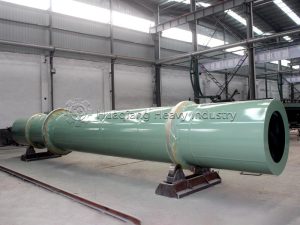
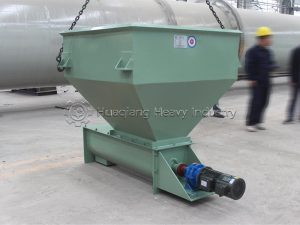
For medium-scale production lines (50,000-100,000 tons/year), drum granulation is the core technology. This involves an automatic batching system, twin-shaft continuous mixer, φ2.2m×8m drum granulator, rotary dryer and cooler, and automatic packaging line. Equipment investment is approximately US$200,000-350,000, occupying 1,500-2,000 square meters. This solution boasts strong continuous operation capabilities and high granule roundness, making it a reliable choice for producing mainstream products in the regional market.
Large-scale production lines (over 100,000 tons per year) require a fully automated, high-capacity system. This system employs DCS distributed control, automated batching from multiple raw material silos, parallel granulation on two lines, efficient low-temperature drying, and robotic palletizing and packaging. Equipment investment ranges from US$600,000 to US$1,000,000, requiring 3,000 to 5,000 square meters of space. This solution enables 24-hour uninterrupted production, reducing overall energy consumption by 25% compared to traditional production lines, making it suitable for export-oriented bases and large agricultural groups.
Process Selection: Wet vs. Dry Processes Drum granulation (wet process) is suitable for processing mixtures with a moisture content of 15%-25%, achieving a granulation rate of 85%-90% and producing round granules. However, it requires a boiler for drying, with an overall energy consumption of approximately 25-30 kWh/ton per unit product. Roller extrusion (dry process) is suitable for dry powder materials with a moisture content ≤8%, requiring no drying, resulting in high particle strength and a comprehensive energy consumption of only 8-12 kWh/ton per unit product. For products with high organic matter content and stable formulations, roller extrusion offers significant long-term operating cost advantages; for compound fertilizer production requiring frequent formulation adjustments, drum granulation offers greater process flexibility.
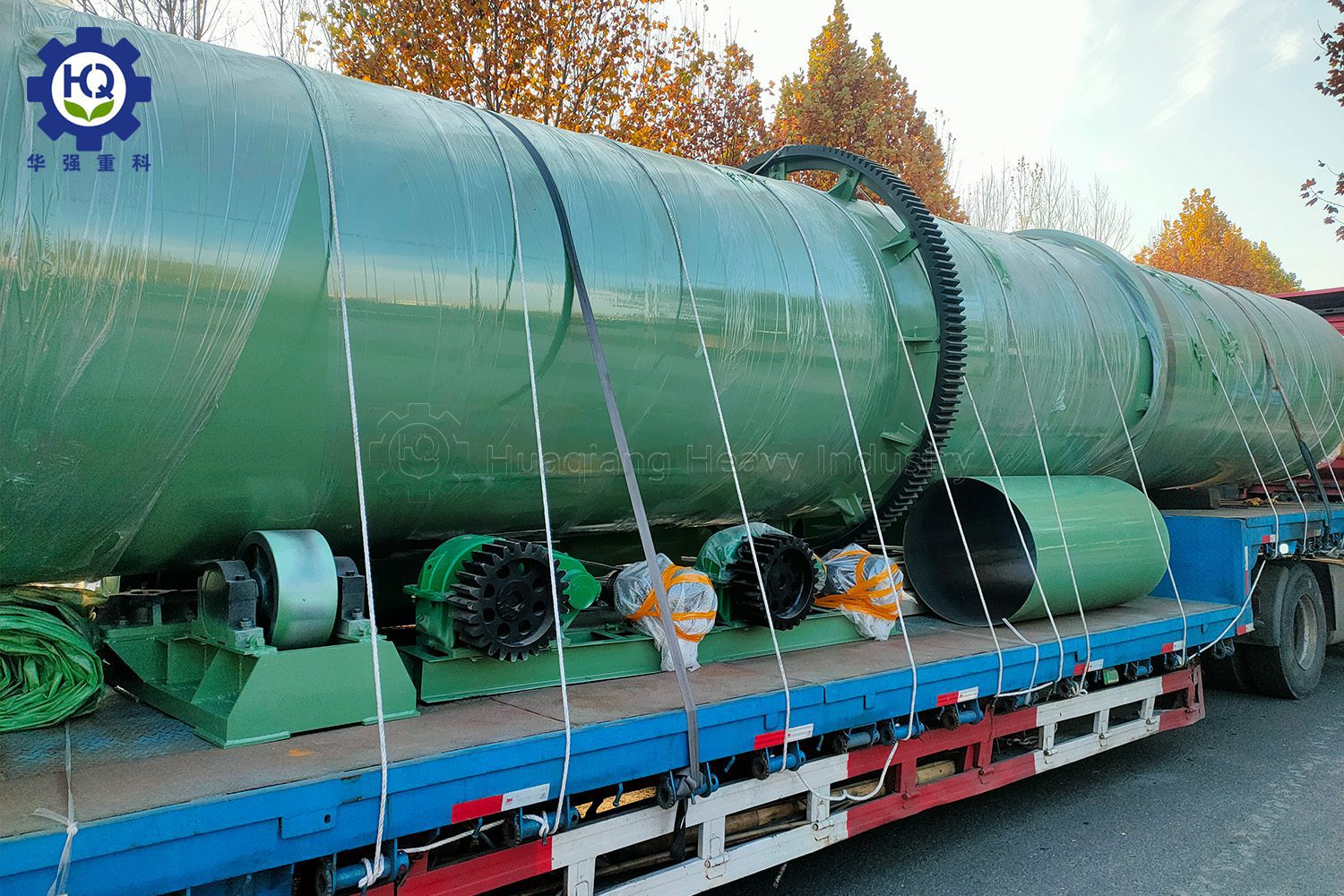
When selecting a production line supplier, it’s crucial to consider their end-to-end service capabilities. Integrated services, from raw material analysis, process design, and equipment manufacturing to installation, commissioning, personnel training, and after-sales support, can significantly shorten the commissioning cycle and avoid the complexities of coordinating multiple suppliers. Our company has 19 years of experience exporting organic fertilizer equipment, providing customized production lines compliant with EU CE standards, supporting localized adaptation of voltage, control systems, and materials, and has provided turnkey engineering services for over 1300 projects worldwide.
From small-scale farm support to national-level production bases, selecting a bio-organic NPK production line involves a comprehensive balance of capacity, raw materials, budget, and process. We welcome you to provide your raw material list and target capacity to obtain a one-on-one customized production line solution.
The selection guide for bio-organic NPK lines highlights the need for a holistic system view. Whether choosing a small-scale disc granulation production line or a large-scale continuous system, the post-granulation finishing stages are universal. After granulation with a disc granulator or other equipment, the product must be stabilized. A rotary drum screening machine classifies the granules, ensuring uniform size. A fertilizer dryer machine and fertilizer cooler machine then adjust the moisture and temperature for storage stability. Finally, a fertilizer packing machine seals the product. For producers creating complex blends, an npk blending machine can be integrated to precisely add mineral nutrients to the organic base. The choice of core technology—whether a disc granulator for its simplicity, a drum for high capacity, or a roller press for dry compaction—defines the production line’s character. However, the integration of these essential finishing steps—screening, drying, cooling, and packaging—is common to all successful bio organic fertilizer production lines, ensuring the final product meets market standards for quality and consistency.