
What is the core value of compound fertilizer granule coating equipment?
Compound fertilizer granule coating equipment refers to a specialized mechanical system that sprays a layer of functional material onto the surface of NPK fertilizer granules. By adjusting the thickness, porosity, and degradation rate of the coating, the nutrient release rate is artificially controlled. The core value of coating equipment lies in converting fast-acting fertilizers into slow-release or controlled-release products, extending the fertilizer effect period from 15-30 days to 60-120 days, increasing nutrient utilization from 30%-50% to 60%-80%, while reducing leaching losses and environmental pollution.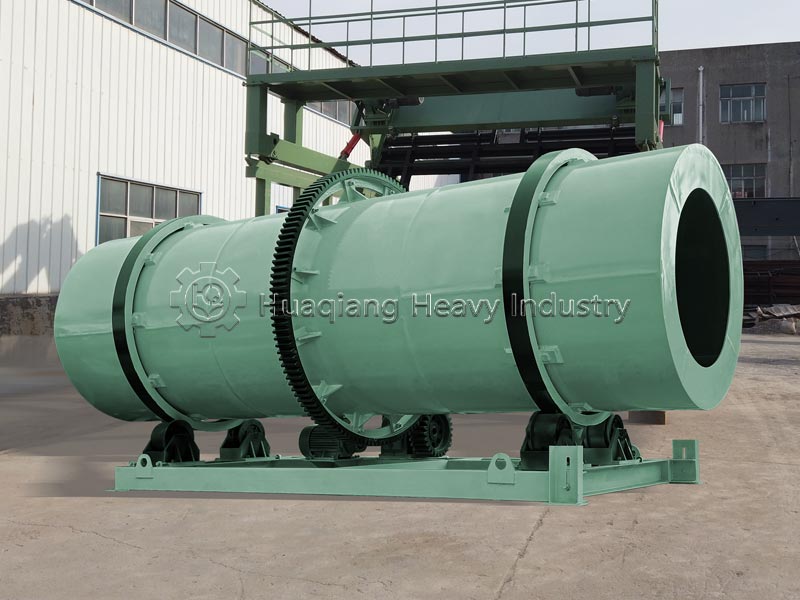
Precise Nutrient Control: Customized Release Curves
Coating equipment achieves precise design of the release cycle by adjusting spraying parameters. The rotary drum coating machine is the most mainstream equipment form—granules tumble inside an inclined drum, and the coating agent (molten sulfur, polymer emulsion, or natural resin) is evenly sprayed onto the granule surface through atomizing nozzles. In sulfur coating solutions, for every 0.1 mm increase in coating thickness, the release period is extended by approximately 10 to 15 days. Polymer coatings (polyurethane or polyolefin) can be designed with “S”-shaped or linear release curves within a 1-12 month range by adjusting the crosslinking density. For rice cultivation, an initial release of less than 10% prevents seedling burn, a stable release of 70% to 80% in the middle stage matches the tillering and jointing requirements, and a final attenuation prevents premature vegetative growth before harvest. The temperature control accuracy of the coating equipment directly determines the uniformity of the film layer—temperature fluctuations within the drum must be controlled within ±3 degrees Celsius; otherwise, uneven film thickness will lead to “explosive release” or “lock-in.”
Storage and Transportation Stability: Dual Blocking of Agglomeration and Powdering Uncoated NPK particles are highly hygroscopic and prone to agglomeration and hardening during storage and transportation, especially in hot and humid seasons, where the agglomeration rate can reach 15% to 25%. The hydrophobic film layer sprayed by the coating equipment increases the critical relative humidity of the particle surface from 55% to over 75%, reducing the agglomeration rate to below 3%. The paraffin or polyethylene wax sealing layer can also fill micro-cracks on the particle surface, reducing the pulverization rate during transportation—from 8% to 12% before coating to less than 2%. For long-haul export shipping scenarios, the integrity rate of coated particles is more than 20 percentage points higher than that of uncoated products, significantly reducing the risk of port rejection and claims. The precision of the coating equipment’s spraying amount control is crucial—over-coating increases costs and reduces nutrient content, while insufficient coating leads to protective failure. It is recommended to use a combination of loss-in-weight metering feeding and online membrane thickness detection to control coating rate fluctuations within ±0.3 percentage points.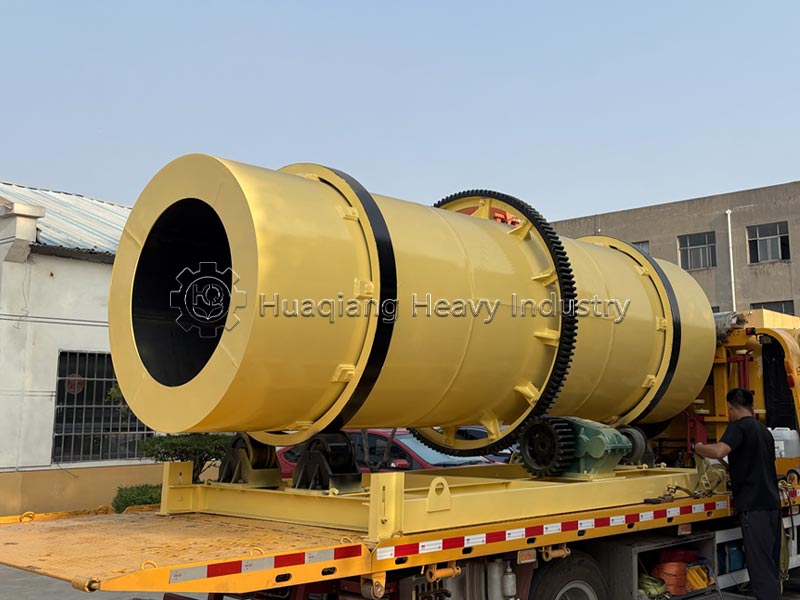
Functional Value-Added: From Basic Fertilizer to Specialty Products
Coating equipment endows NPK particles with additional functions beyond nutrient supply. Sulfur-coated urea releases sulfur simultaneously during membrane degradation, meeting the needs of sulfur-loving crops such as rapeseed and garlic, achieving “dual effects with one membrane.” Nitrification inhibitors (DCD or DMPP) can be embedded in the polymer coating, forming a microenvironment within the membrane to delay the conversion of ammonium nitrogen to nitrate nitrogen, reducing denitrification losses by 15% to 25%. A more advanced application involves adding trace element chelates or plant growth regulators to the coating agent, making each fertilizer granule a precisely released functional capsule. The process flexibility of the coating equipment is the foundation for functional expansion—the same rotary drum coating machine can switch between sulfur coating, polymer coating, and wax sealing modes by changing the nozzle type and temperature control program, increasing equipment utilization by more than 40%.
The evolution of modern fertilizer manufacturing underscores that coating technology is no longer an optional add-on but a strategic imperative within the complete NPK fertilizer production line. Whether upstream processes employ a rotary drum granulator for high-volume spherical granulation, a disc granulator machine for precise pellet sizing, or a double roller extrusion granulator for dry compaction without binder addition, the downstream integration of a high-performance fertilizer coating machine determines the ultimate commercial value and agronomic efficacy of the finished product. For operations emphasizing fertilizer granules compaction, the coating layer further seals surface micro-defects, enhancing structural integrity during bulk handling and long-distance transport. As global agriculture demands increasingly sophisticated nutrient management solutions, the synergy between advanced fertilizer granulator machine systems and intelligent coating platforms will continue to redefine efficiency benchmarks—transforming commodity fertilizers into precision-engineered, environmentally responsible inputs that maximize yield potential while minimizing ecological footprint.