
In fertilizer production, the granulation process directly determines product quality and production efficiency. Dry granulation, with its unique advantages of eliminating the need for water addition and drying, is becoming the preferred solution for an increasing number of manufacturers. So, which raw materials are suitable for dry granulation? What are the special requirements for the equipment?
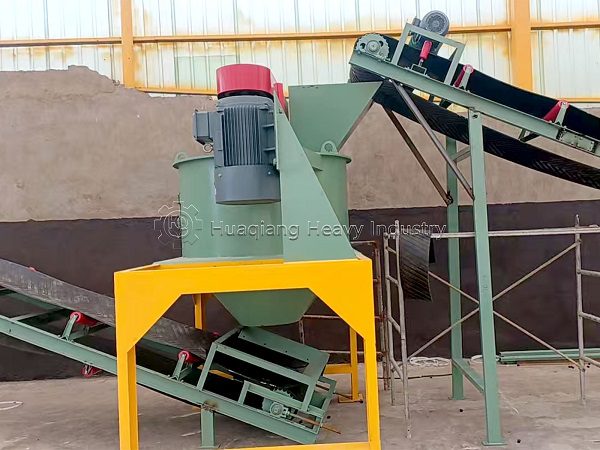
Dry Granulation: Suitable Raw Materials
The core of dry granulation lies in using mechanical pressure to directly agglomerate powder into granules. It is particularly suitable for the following three types of raw materials:
Heat-sensitive substances:Such as some bio-fertilizer raw materials, which are easily deactivated when dried at high temperatures. The dry process eliminates the need for heating, perfectly preserving the active ingredients.
Components that react easily with water:Some fertilizer raw materials (such as some potassium salts and ammonium salts) will deliquesce or undergo chemical reactions when exposed to water. The dry process completely avoids this risk.
Powders with moderate viscosity:Common fertilizer raw materials such as potassium sulfate, potassium chloride, and diammonium phosphate can be pressed into shape without the addition of additional binders.
Typical Applications: High-concentration NPK compound fertilizers, potash fertilizers, and specialty fertilizers requiring preservation of biological activity.
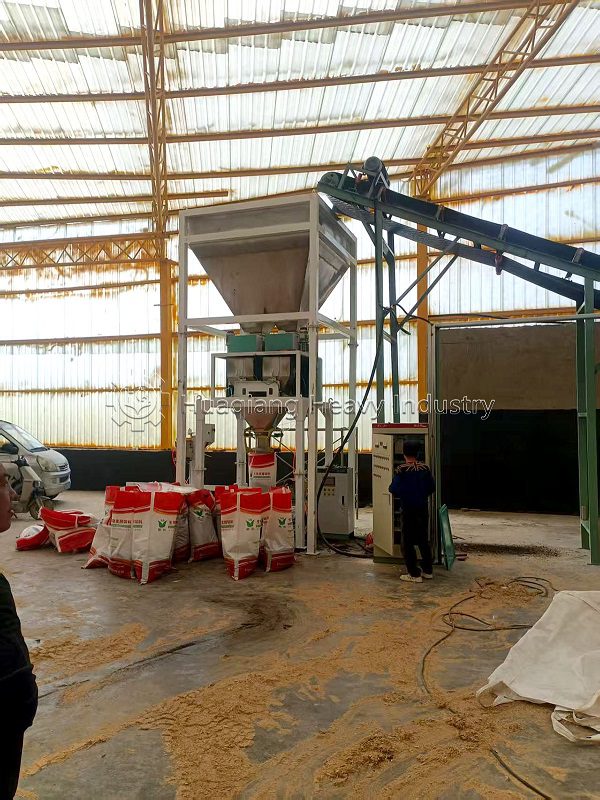
Core Equipment Requirements: Stability and Dust Control
Roller presses for dry granulation must meet two key requirements:
High-rigidity rollers: Roller material must be wear-resistant alloy (e.g., 2205 duplex stainless steel), with a surface designed as a mesh or hemispherical groove to ensure uniform compaction and smooth demolding of the powder. For example, for materials with poor flowability such as potassium sulfate, the rollers need to be equipped with a forced feeding screw.
Sealing and Dust Removal System: Dry processes generate a large amount of dust; the equipment must be equipped with negative pressure dust removal interfaces and high-efficiency seals to prevent fine powder spillage and ensure workshop cleanliness. Simultaneously, the entire production line should adopt a modular design to reduce the drop during powder transport.
Process Advantages: More Than Just Eliminating Drying
Compared to traditional wet granulation, dry processes offer three major improvements:
Energy Saving and Environmental Protection: No boiler heating required, reducing carbon emissions by approximately 40%; no wastewater generated.
High product strength: The compressive strength of the granules can reach 15-30N, making them less prone to pulverization during storage and transportation.
Flexible production changeover: Quick cleaning, suitable for flexible production of small batches and multiple formulations.
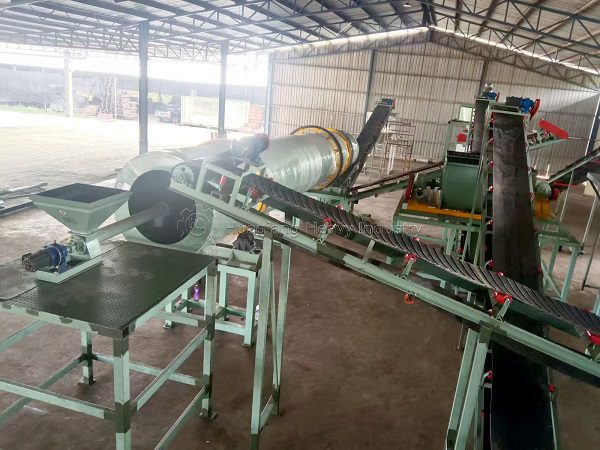
Dry granulation using a roller press is ideal for heat-sensitive materials, water-reactive components, and moderate-viscosity powders. For a bio organic fertilizer production line (preserving biological activity) or an npk fertilizer line, dry granulation offers energy savings (no boiler, 40% carbon emission reduction), high product strength (15-30N), and flexible changeover. A roller press granulator production line includes a double roller press granulator with high-rigidity rollers (wear-resistant alloy, mesh or hemispherical grooves) and a forced feeding screw for poor-flowability materials. Sealing and dust removal (negative pressure interfaces) are critical. After granulation, the product may be processed through a rotary drum screening machine, fertilizer dryer machine (if needed), fertilizer cooler machine, and fertilizer packing machine. For a pure blending line, a npk blending machine (or npk bulk blending machine) is used in a npk blending fertilizer production line, which does not involve granulation. For organic-based materials, a half-wet material crusher machine may be needed for pretreatment. A disc granulator is an alternative for wet granulation. Dry granulation is particularly suitable for high-concentration NPK, potash fertilizers, and specialty fertilizers requiring biological activity preservation. The key is to select specialized roller pressing equipment with wear-resistant rollers and powerful dust removal. Small-scale tests to verify granulation properties are recommended before customizing equipment parameters. Understanding the distinct roles of dry granulation vs. blending is essential for building an efficient, cost-effective production line.
Dry granulation is an ideal choice when your raw materials are sensitive to water, have poor thermal stability, or you are pursuing higher environmental standards in production. The key is to select specialized roller pressing equipment equipped with wear-resistant rollers and powerful dust removal. In actual production, it is recommended to verify the granulation properties of the raw materials through small-scale tests before customizing equipment parameters to achieve the best balance between efficiency and quality.