
Main Model Introduction
The organic fertilizer granulator series includes various equipment designed for the characteristics of fermented organic materials. The three most common main models are as follows:
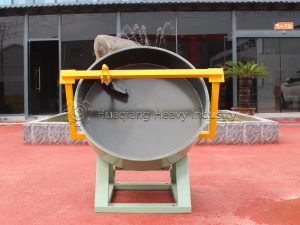
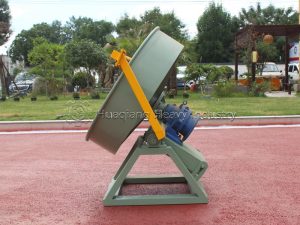
Disc Granulator: The simplest in structure, consisting of an inclined disc, scraper, and drive unit. The material rotates within the disc, while a suitable amount of water or binder is sprayed, causing small organic particles to gradually agglomerate into spheres. Both the disc angle and rotation speed are adjustable, making it suitable for small to medium-sized organic fertilizer plants. The finished granules are round and aesthetically pleasing.
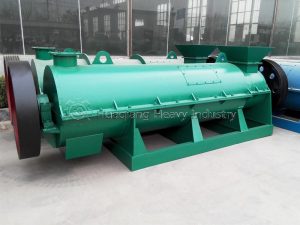
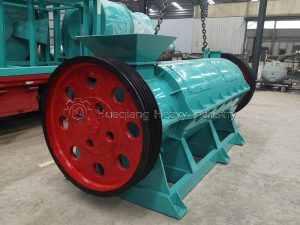
New Type Organic Fertilizer Granulator: Also known as a wet-process stirring tooth granulator. Its inner wall is equipped with multiple rows of high-speed rotating stirring tooth rotors. Mechanical stirring force forces the wet, soft material into cylindrical granules, which are then shaped into spherical particles by a spherical polishing machine. This type of machine is highly adaptable to fermented organic materials with a moisture content as high as 30%-40%, is less prone to clogging, and produces granules with moderate strength that easily disintegrate and release nutrients.
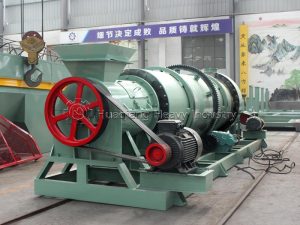
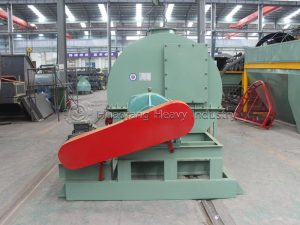
New Type Two In One Organic Fertilizer Granulator(New Type Stirring Tooth-Drum Granulator): Integrates mixing and granulation functions into one unit. Materials are pre-mixed through spraying and stirring at the front of the cylinder, then shaped by a screen or mold at the rear. This model reduces the equipment’s footprint and is suitable for the production of organic-inorganic compound fertilizers, especially for organic materials with added chemical fertilizer raw materials.
Suitable for fermented manure and organic materials.
The core challenge of organic fertilizer granulation lies in the high fiber content, low specific gravity, and high viscoelasticity of the fermented materials. The three types of machines mentioned above are designed for specific purposes: the disc granulator is suitable for powdered organic materials with a small amount of inorganic fertilizer added to form pellets; the new organic fertilizer granulator can directly process pure fermented manure without the need for large amounts of desiccant; the two-in-one granulator excels at processing organic-inorganic compound formulas mixed with urea or phosphate.
Common applicable raw materials include: livestock and poultry manure such as chicken, cow, pig, and sheep manure, as well as fully decomposed organic waste such as straw, soybean meal, distiller’s grains, medicinal residues, and urban sludge.
Pelletizing Rate and Performance
Under reasonable operating conditions, the pelletizing rate varies among different models:
Disc Granulator: Pelletizing rate approximately 70%-80%, requires high material fineness (80 mesh or higher sieve recommended), suitable for formulations with a high proportion of powder.
New Type Organic Fertilizer Granulator: Pelletizing rate can reach 85%-95%, can directly process coarse fibrous materials, outputting uniform short columnar particles with good sphericity after rounding.
New Type Two-in-One Organic Fertilizer Granulator(New Type Stirring Tooth-Drum Granulator): Pelletizing rate approximately 80%-90%, integrated design reduces moisture loss during material transport, helping to maintain the required humidity for pelletizing.
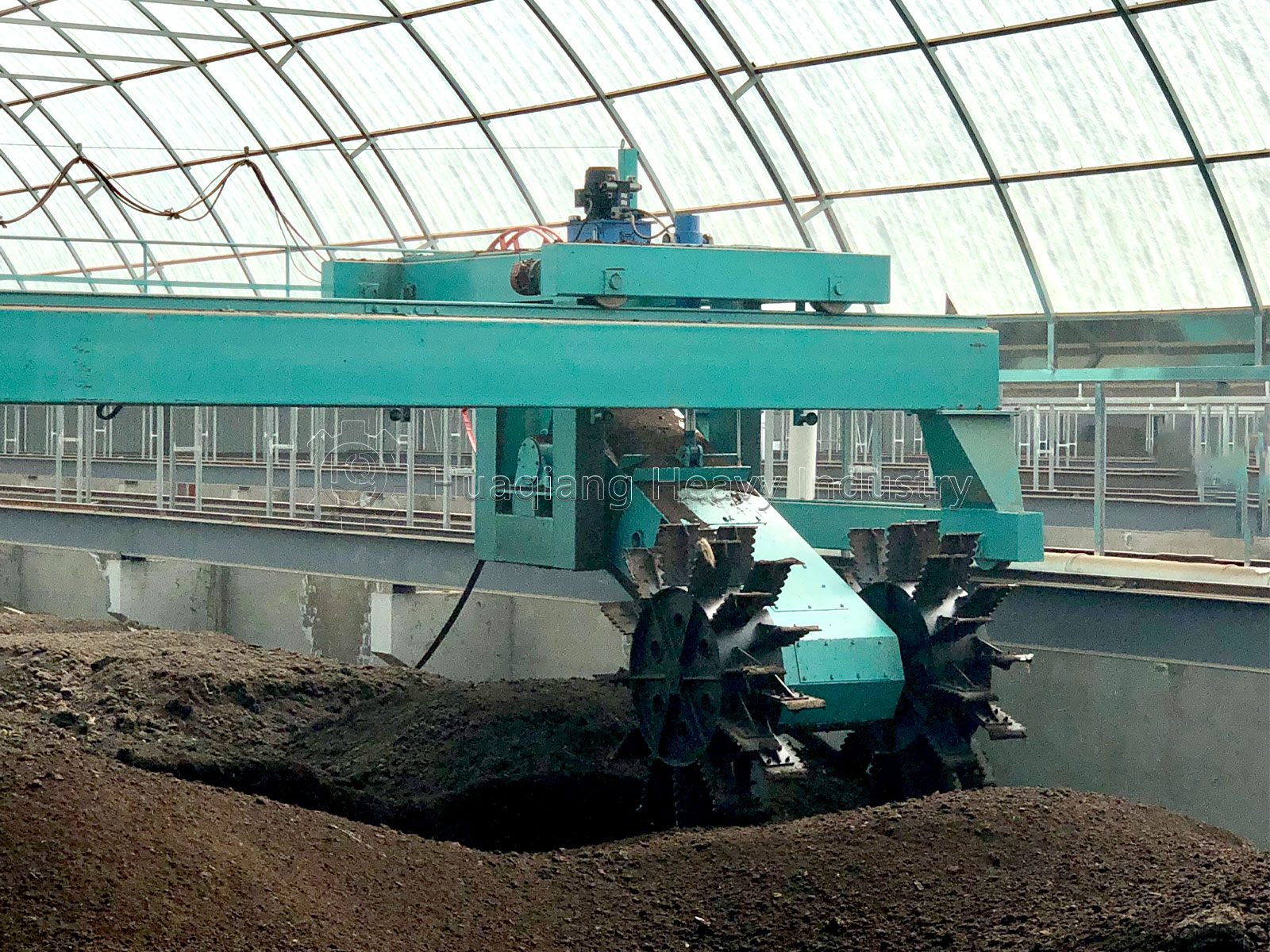
Key factors affecting pelletizing rate include: moisture content of fermented materials (optimal range 30%-40%), degree of decomposition (fully decomposed materials have moderate viscosity), fineness of grinding, and adjustment of granulator speed and tilt angle. It is recommended that users provide actual raw materials for trial operation before purchasing to determine the most suitable model. For compactor models and matching solutions tailored to different production capacity requirements, please inquire. We also support customers in providing raw material samples for trial runs to verify the feasibility of the process.
The new type organic fertilizer granulator (stirring tooth granulator) and the new type two in one organic fertilizer granulator represent advanced options within the organic fertilizer granulator series. Their performance depends heavily on the quality of the upstream fermentation. Effective fermentation composting turning technology is critical. A windrow composting machine or a large wheel compost turner is used for open-air windrows. A trough-type compost turner provides a controlled environment. After successful composting, the mature material is ready for a disc granulation production line or a line using a new type granulator. The new type organic fertilizer granulator excels at processing high-moisture, high-fiber fermented materials directly, with a granulation rate of 85%-95%. The new type two in one organic fertilizer granulator integrates mixing and granulation, saving space and reducing material handling. The choice of granulator—disc, new type, or two-in-one—depends on the raw material characteristics and desired product form. For pure organic materials with high moisture, the new type granulator is ideal. For organic-inorganic blends, the two-in-one machine is superior. The disc granulator remains a popular choice for its simplicity and perfectly round granules. Understanding the strengths of each machine in the organic fertilizer granulator series is key to building an efficient production line. The key factors affecting granulation rate are moisture content (30%-40%), degree of decomposition, and fineness. Users are encouraged to conduct trial runs with their raw materials to select the optimal model.