
Organic fertilizer production operates in a harsh environment characterized by high temperature, high humidity, and highly corrosive gases (ammonia, hydrogen sulfide, organic acids). Without effective protection, the steel structure of the equipment will severely corrode within 1-2 years, leading to problems such as breakage of the compost turner’s main shaft, peeling of the granulator’s inner wall, and brittle breakage of the screen. Extending equipment lifespan hinges on a reasonable anti-rust paint system, stainless steeling of key components, and a standardized cleaning procedure.
Anti-rust Paint Grade: Multi-layer Protection from Primer to Topcoat
Ordinary alkyd paint will blister and peel off within 3-6 months in the humid ammonia environment of the fermentation workshop. A heavy-duty anti-corrosion coating system is essential.
Recommended Solution:
Primer: Epoxy zinc-rich primer (zinc content ≥70%), dry film thickness 60-80μm. Zinc powder acts as a sacrificial anode, effectively inhibiting electrochemical corrosion at scratches.
Intermediate Coat: Epoxy micaceous iron oxide intermediate coat (80-100μm), providing a shielding layer to prevent moisture and oxygen penetration.
Topcoat: Aliphatic polyurethane topcoat (60-80μm) or fluorocarbon topcoat, weather-resistant, ammonia-resistant, and acid and alkali-resistant.
Coating Process: The steel surface must be sandblasted to Sa2.5 grade (near white metal), with a roughness of 40-70μm. Factory coating should be completed before the equipment leaves the factory. On-site welding repairs must be manually ground to St3 grade and then recoated with the same system paint.
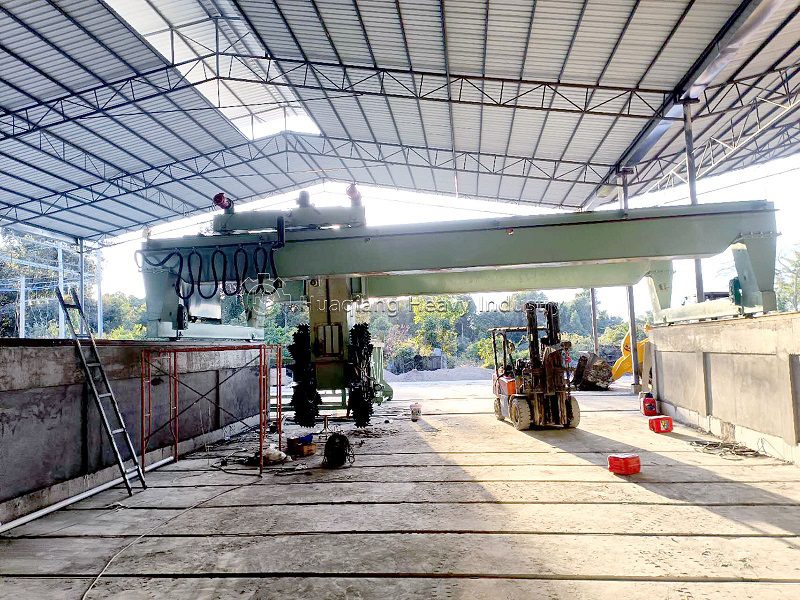
Maintenance Cycle: Inspect the paint film annually. If rust spots are found, immediately grind and recoat the affected area. The overall recoating cycle is 3-5 years.
Stainless Steel Key Components: Upgrade Materials in Key Areas Using stainless steel for the entire machine is too costly. However, the following core components must use 304 or 316L stainless steel: Mixing and granulation components in direct contact with materials: Impellers of the twin-shaft mixer, inner lining and lifting plates of the rotary drum granulator, disc surface and scraper of the disc granulator. 316L is recommended, as its molybdenum content provides 2-3 times the resistance to chloride ions and organic acid corrosion compared to 304.
Liquid and Slurry Piping: Spray system pipes, valves, and nozzles should be made of 304 stainless steel, with the inner wall polished to Ra≤0.8μm to prevent bacterial film adhesion and pitting corrosion.
Fasteners and Bearing Housings: All bolts, nuts, and washers should be made of stainless steel or high-strength alloy treated with Dacromet. Rubber sealing rings should be installed on bearing housings to prevent fermentation broth from seeping in.
Electrical and Sensor Systems: The control cabinet should have a stainless steel sealed housing (IP65 or higher), and sensor probes should be made of Hastelloy or titanium.
Exceptions: Wear-resistant parts such as the turning machine’s tracks, large gears, and screens cannot be made of stainless steel (too expensive and insufficient hardness). This should be addressed by applying a thick, wear-resistant, and anti-corrosion coating and increasing spare parts inventory.
III. Regular Cleaning Standards: Eliminating Corrosion Sources
Residual materials are the direct carriers of corrosion. A three-tiered cleaning system must be established: daily, weekly, and quarterly.
Daily Cleaning (After Shift): Use a high-pressure water gun (5-10MPa) to rinse the equipment surface and internal contact surfaces, focusing on cleaning the turning machine blades, the inner wall of the granulator, and the bottom of the conveyor belt. After rinsing, run the machine empty for 5 minutes to shake out accumulated water.
Weekly deep cleaning: Use a 1%-2% weak alkaline cleaning agent (such as sodium carbonate solution) for 15-20 minutes of circulating spraying to neutralize residual organic acids. Then rinse thoroughly with clean water. Do not use strong acids or alkalis, as these may damage the stainless steel passivation film.
Quarterly maintenance and cleaning: Disassemble the mixer cover and granulator door panels, and manually remove stubborn scale. Check the stainless steel surface for rust spots; if present, treat with passivation paste and re-passivate.
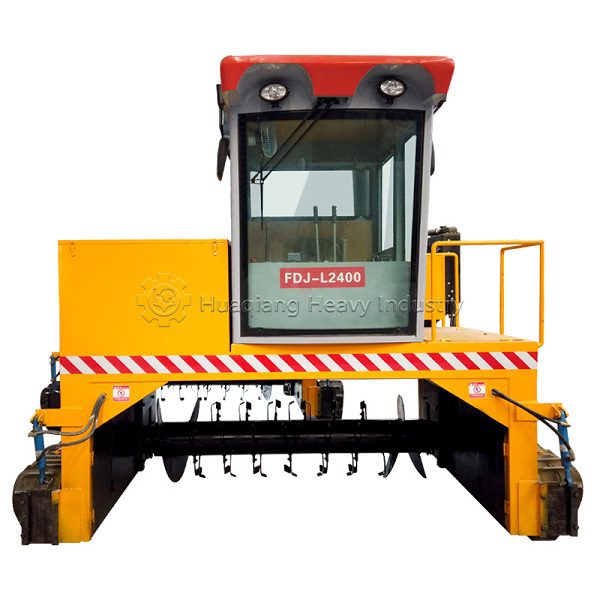
Drying requirements: After cleaning, electrical interfaces and bearings must be dried with compressed air, and heaters or fans should be turned on to ensure ventilation and dryness in the workshop, preventing corrosion from condensation overnight.
Effective corrosion protection is the cornerstone of a durable and reliable organic fertilizer production plant, especially when handling the fermentation process, which produces harmful substances such as ammonia, hydrogen sulfide, and organic acids. Three protective measures—heavy-duty coating systems, strategic use of stainless steel in key components, and rigorous cleaning procedures—directly extend the lifespan of every piece of equipment, from large wheeled compost turners and animal manure processors (including chicken manure composters) to downstream half-wet material crushers, organic fertilizer granulators, and fertilizer dryers/coolers. While the initial cost of corrosion-resistant organic fertilizer equipment may be higher, the long-term benefits are substantial: every 10,000 RMB invested in corrosion protection can extend the equipment’s lifespan by 2-3 years, reducing replacement frequency and maintenance downtime. Furthermore, a well-protected production line ensures consistent product quality—free from rust contamination, structural failures, and unplanned downtime. In short, integrating corrosion protection from the initial plant design stage and throughout all process stages from fermentation to drying is the most cost-effective strategy for any organic fertilizer producer. By combining high-quality materials, appropriate coatings, and rigorous cleaning processes, you can protect the entire production chain and ensure that your investment yields stable, high-quality output for many years to come.
Summary: Corrosion prevention of organic fertilizer equipment cannot be solved by a single measure; it requires a three-pronged strategy of “high-quality coating base, stainless steel reinforcement, and daily cleaning and maintenance.” For every additional 10,000 RMB invested in corrosion prevention, the equipment lifespan can be extended by 2-3 years, resulting in lower overall operating costs. Remember: In fermentation workshops, corrosion prevention is the best way to reduce costs and increase efficiency.