
When purchasing a fertilizer production line, everyone focuses on one figure: hourly tonnage. However, this figure is often merely the theoretical value listed on the equipment nameplate. In actual operation, capacity is eroded by factors such as raw material conditions, operator proficiency, and the synchronization of upstream and downstream processes. Understanding the true composition of “capacity” is far more meaningful than simply comparing numbers on a price quote.
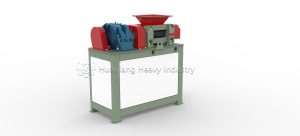
Raw material conditions determine the lower limit of capacity. With the same double-roller extrusion granulator, processing dry, finely ground powder can yield 85%–90% of the nameplate’s rated capacity; however, if the material has high moisture content or uneven particle size, effective capacity could be cut in half. Nameplate ratings are established under ideal conditions, whereas raw materials in real-world production constantly fluctuate. For a line rated at 5 tons per hour, a stable actual output of 3–4 tons is considered normal. To determine if capacity is sufficient, one should not calculate based on nameplate figures but rather evaluate performance under the worst-case raw material conditions.
Process synchronization determines the upper limit of capacity. A production line is a chain; if any single link slows down, the entire line must wait. Whether it is the batch weighing time, mixer discharge time, screening throughput, or packaging speed—if the pace of any single stage lags behind the granulator, the entire line’s capacity is capped by that slowest link. Many factories find that output fails to increase despite the granulator having spare capacity; the bottleneck often lies in the batching or packaging stages. Identifying the slowest link in the chain during the selection process is more important than evaluating each piece of equipment in isolation.
Operator proficiency determines capacity stability. With the same set of equipment, output can vary by more than 20% depending on the operating team. Adjusting mixing times based on the formula, regularly calibrating roller gaps, and timely screen replacement—the accumulation of these daily operational details dictates the extent of capacity fluctuations. While equipment can be purchased, the ability to operate it effectively and consistently requires time and accumulated experience. Production capacity is not a static figure, but rather the result of a dynamic balance among raw materials, equipment, and operations.