
Standing at the crossroads of agricultural transformation, the fertilizer market in 2026 will completely abandon its extensive, energy-intensive growth model and fully shift towards precision nutrition and eco-friendliness. Based on current global agricultural technology roadmaps and policy guidance, the following five types of fertilizers will become the main battleground for market competition in the next five years.
Specialty Fertilizers and Controlled-Release Fertilizers: The Pinnacle of Precision Supply.
Specialty fertilizers, formulated according to the nutritional characteristics of specific crops, will experience explosive growth. Controlled-release fertilizers, through advanced polymer coating technology, achieve “perfect synchronization” between nutrient release rate and crop absorption patterns. This “once-per-season” model greatly saves labor costs and is the preferred choice for future large-scale planting.
Water-Soluble Fertilizers and Liquid Fertilizers: The Cornerstone of Fertilizer and Water Integration.
With the popularization of smart agricultural irrigation facilities, the demand for fully water-soluble, residue-free, high-concentration water-soluble fertilizers will grow exponentially. Liquid fertilizers, due to their excellent mixing uniformity, low production energy consumption, and ease of precision drip irrigation via automated pumping systems, will dominate large-scale farms and modern greenhouses.
The Strategic Rise of Microbial Fertilizers: The core logic of this type of fertilizer has evolved from “nutrient replenishment” to “soil activation.” By introducing functional microbial communities, it improves the rhizosphere microecology and enhances the natural resilience of crops. Forecasts indicate that by 2026, microbial fertilizers with soil structure repair and heavy metal residue degradation capabilities will become the most premium-priced high-end agricultural inputs.
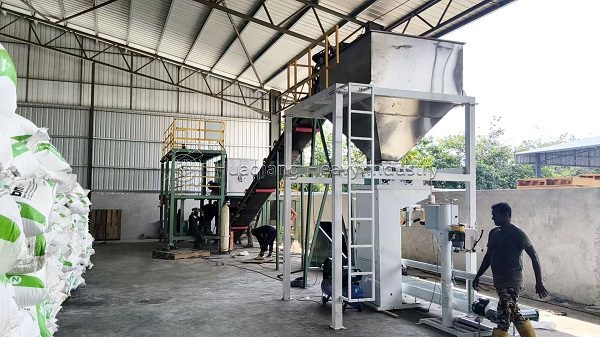
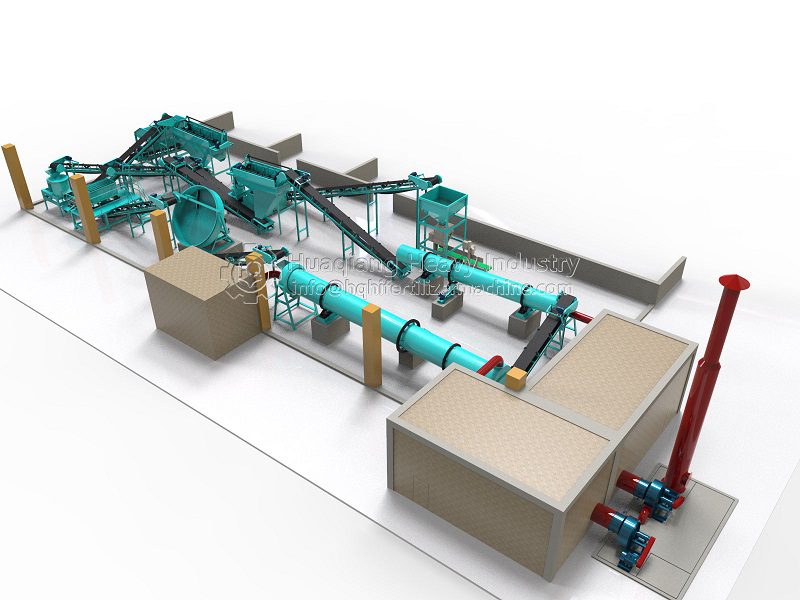
As the fertilizer industry pivots from commodity bulk production toward precision nutrition and eco-friendly formulations, the strategic importance of advanced fertilizer equipment cannot be overstated. Manufacturers seeking to capture the specialty and controlled-release segments must invest in a versatile fertilizer granulator machine capable of handling polymer-coated formulations with adjustable release-rate parameters, while upstream fertilizer crusher and mixer systems ensure homogeneous raw material blending critical for nutrient uniformity in water-soluble and liquid products. Post-granulation stability demands reliable fertilizer dryer and cooler units to prevent caking and preserve coating integrity, directly impacting shelf life and field performance. When assessing industrial fertilizer machine price, forward-looking enterprises should prioritize modular, Industry 4.0-compatible architectures that accommodate rapid product changeovers across the five strategic categories outlined above. At the packaging stage, deploying a high-speed automatic fertilizer packing machine with multi-specification flexibility enables seamless transitions between bulk agricultural orders and premium retail formats. For microbial fertilizer production, establishing a dedicated bio organic fertilizer production line with controlled-temperature fermentation and sterile inoculation zones ensures viable microbial colony counts meet regulatory thresholds. Precision fertilizer screening equipment further safeguards product consistency by segregating off-size granules before final packaging. Notably, an organic fertilizer disc granulator remains indispensable for producing uniform spherical particles in microbial and organic formulations, while a complete disc granulation production line offers cost-effective scalability for mid-tier manufacturers entering the specialty fertilizer arena. Ultimately, the competitive battleground of 2026 will be won not merely by formulation chemistry, but by the manufacturing agility and technological sophistication embedded within the production infrastructure itself.
In summary: The future market will no longer simply compete on phosphorus and potassium content, but rather on fertilizer utilization efficiency and environmental friendliness. For fertilizer manufacturers, early deployment of production technologies for these five categories is crucial to securing a leading position in the future market.