
Soil Degradation: A Silent Agricultural Crisis
Globally, 33% of soil is moderately to highly degraded. Long-term excessive use of chemical fertilizers has led to a drop in arable land organic matter content to below 1.5% (healthy levels should be above 3%), resulting in soil compaction, acidification, and secondary salinization. The black soil layer in Northeast China is losing 0.3 to 1 cm annually; the soil carbon pool in the Ganges Plain of India has decreased by nearly 40% in the past 30 years. Crops are increasingly reliant on chemical fertilizers, while fertilizer utilization rates have fallen below 40%. Soil restoration has become the most pressing issue for global agriculture—and bio-organic fertilizer is the most direct solution to this crisis.
Policy Dividends: From Encouragement to Mandatory Measures
From 2025 to 2026, many countries have elevated soil health to a strategic level. The EU’s Soil Monitoring Act requires member states to increase soil organic matter by 0.5% by 2030; during China’s 14th Five-Year Plan period, over 300 pilot counties were established for organic fertilizer substitution of chemical fertilizers, with subsidies of 50 to 150 yuan per mu; India has included bio-organic fertilizers in its national fertilizer subsidy catalog, with a subsidy rate of 25% on the ex-factory price. More importantly, the carbon trading market has begun to accept soil carbon sequestration projects—the application of bio-organic fertilizers can certify 2 to 5 tons of carbon sequestration per hectare, creating additional revenue streams for producers and farmers. Policies have shifted from “encouraging use” to “restricting chemical inputs and rewarding biological inputs,” a window of opportunity expected to last at least ten years.
High Profit Margins: Three Proven Profit Models
Raw Material Cost Advantage. The core raw materials for bio-organic fertilizers—livestock manure, straw, kitchen waste, and sludge—are at a negative cost in most areas (the processor pays). For example, the cost of transporting chicken manure from farms is $10 to $30 per ton, while the selling price after processing into organic fertilizer can reach $100 to $180 per ton. The “negative cost + high selling price” price scissors effect at the raw material end creates a profit margin that traditional fertilizers cannot replicate.
Deep processing adds value. Powdered organic fertilizer sells for $60 to $100 per ton, while granulated bio-organic fertilizer, after granulation, the addition of functional bacteria, and the formulation of trace elements, can sell for $150 to $300, representing a value increase of 50% to 200%. Functional products (such as agents for resisting soil-borne diseases and those specifically for phosphorus and potassium solubilizing) command even higher premiums, with selling prices exceeding $500 per ton. The payback period for deep processing equipment is typically 1.5 to 3 years.
Carbon sequestration and brand premium. Organically certified bio-organic fertilizers can command a 30% to 50% brand premium in the EU, North America, and high-end tea, fruit, and vegetable markets. Simultaneously, producers can develop soil carbon sequestration into carbon credits, selling them at $5 to $15 per ton of CO2 equivalent. A 50,000-ton-per-year organic fertilizer plant, covering and improving 20,000 hectares of soil, can generate annual carbon sequestration revenue of $200,000 to $500,000. Bio-organic fertilizer is not a quick-money business; it requires fermentation cycles, microbial cultivation, and farmer education. However, once a raw material collection network, stable fermentation process, and regional brand are established, its competitive advantage will deepen. In the next decade, soil remediation is a definite need, and bio-organic fertilizer is the key to unlocking this underground goldmine.
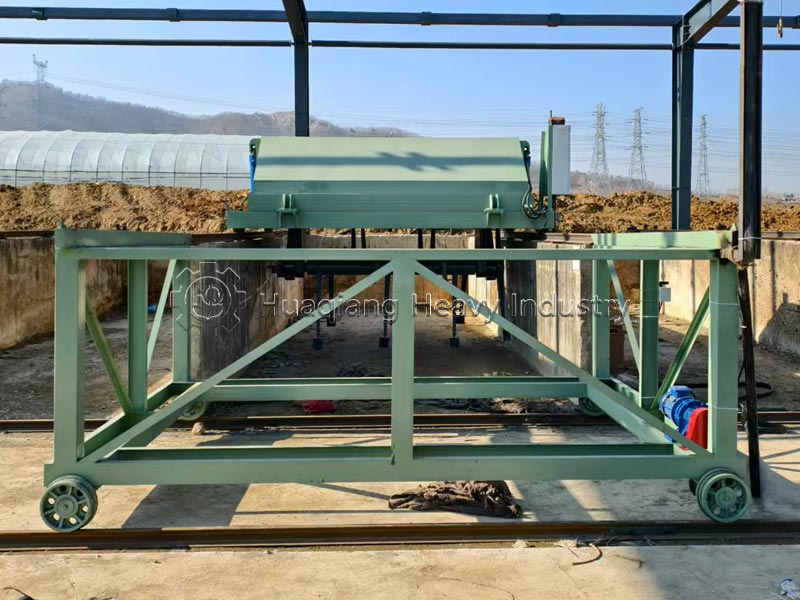
The convergence of soil degradation urgency, policy-driven substitution mandates, and carbon market monetization has positioned bio-organic fertilizer as the defining agricultural investment of the coming decade. Success in this sector hinges on mastering the upstream biological transformation pipeline, where advanced fermentation composting turning technology—delivered through a robust animal manure compost turner or integrated trough system—ensures pathogen elimination and organic matter stabilization within the composting process for animal manure. These mature substrates then feed into a modern bio organic fertilizer production line that integrates crushing, blending, low-temperature granulation, and functional bacterial inoculation under one unified bio-organic fertilizer production technology platform. Producers who build reliable raw material collection networks, secure organic certification, and leverage carbon credit revenue streams will establish deepening competitive moats that commodity chemical fertilizer manufacturers cannot replicate. As the global agricultural paradigm shifts from extractive intensification toward regenerative soil management, bio-organic fertilizer enterprises stand at the nexus of environmental restoration and profitable enterprise—transforming what was once considered agricultural waste into the cornerstone of sustainable food security and climate resilience.