
In fertilizer plants, integrated PLC-controlled automation systems are no longer a luxury, but a necessity for survival in a high-cost market. By implementing real-time sensor feedback and automated dosing, manufacturers can reduce raw material waste by 18% and ensure 100% compliance with precise nutrient labeling standards.
The Digital Nervous System of the Modern Fertilizer Plant
In the transition to Industry 4.0, the concept of the “smart factory” has revolutionized fertilizer production processes. Automation systems act like digital nervous systems, coordinating complex mechanical tasks with sub-second precision.
Key Areas for Maximizing ROI through Automation:
Intelligent Dosing and Batching: Manual mixing often leads to “nutrient drift,” i.e., fluctuations in the final nitrogen, phosphorus, and potassium (NPK) ratio. Automated systems utilize weighing sensors and flow meters to ensure that every batch of fertilizer is perfectly consistent with the NPK fertilizer production formula, saving thousands of dollars in NPK waste per month.
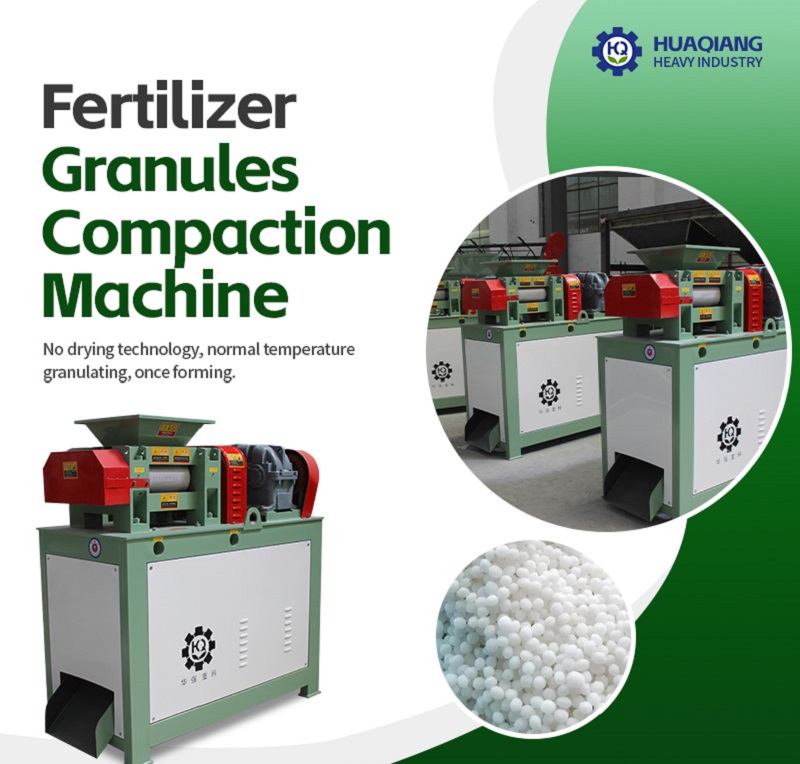
Adaptive Granulation Dynamics: State-of-the-art production lines are equipped with high-pressure roller granulators with integrated moisture sensors. If the raw material is too dry or too wet, the system automatically adjusts the roller pressure and feed speed to maintain a 95% granule survival rate.
Predictive Maintenance Algorithm: By monitoring vibration and temperature in heavy-duty fertilizer crushers, artificial intelligence can predict bearing failures, thus avoiding costly unplanned downtime during peak production periods.
Quantitative Performance Benchmarks for Automated Production Lines: To be rated as a “Modern Facility” by 2026, a production line must meet the following automation performance indicators:
Labor Efficiency: For a standard 10 tonnes/hour production line, reduce the number of operators per shift from 12-15 to 3-5.
Thermal Accuracy: Control the temperature deviation of the rotary drum dryer within ±2°C, which is crucial for protecting heat-sensitive microorganisms in bio-organic fertilizer production.
Packaging Accuracy: The weight deviation per bag (50 kg) in the automated bagging system is less than 0.1%.
To understand how automation can be integrated into large-scale production operations, please refer to our comprehensive guide to turnkey solutions for automated fertilizer plants.
For technical details on the sensors required for chemical stability, please refer to our latest NPK Granulation Control System White Paper.
The journey toward fully automated fertilizer manufacturing demands not only intelligent PLC-controlled systems but also precision-engineered granulation equipment tailored to each production scale and formulation type. For high-capacity industrial operations, the rotary drum granulator remains the cornerstone of any robust npk fertilizer production line, delivering uniform particle size distribution through controlled rolling, coating dynamics, and real-time moisture feedback loops. When processing organic substrates such as composted manure, agricultural residues, or bio-waste, an organic fertilizer granulator series equipped with temperature- and moisture-responsive controls ensures optimal organic fertilizer production granulation, preserving beneficial microbial viability while achieving consistent pellet density and structural integrity. For specialized compaction workflows that prioritize energy efficiency and binder-free processing, fertilizer granules compaction via an advanced fertilizer compactor offers a superior dry-granulation alternative that eliminates the need for liquid binders and subsequent drying stages, significantly reducing thermal energy consumption and carbon footprint. Smaller-scale facilities, pilot plants, or operations requiring rapid formulation changeovers may benefit from the flat die pelleting machine, which provides exceptional versatility across diverse feedstock formulations with minimal retooling downtime. Ultimately, integrating these purpose-built machines—from rotary drum granulator units to high-pressure fertilizer compactor systems—within a unified Industry 4.0 architecture transforms conventional production facilities into resilient, data-driven, future-ready operations capable of meeting the most stringent global quality, traceability, and environmental compliance benchmarks.

Frequently Asked Questions: Fertilizer Production Automation
Question 1: What are the main advantages of switching from manual composting to automated composting?
A: Automation in the composting stage—especially using PLC-controlled turners—ensures optimal oxygen and temperature control. This can shorten the fermentation cycle by 30% and eliminate “cold spots” where pathogens can survive.
Question 2: Can older fertilizer equipment be automated?
A: Yes. Most heavy-duty fertilizer machinery can be retrofitted with variable frequency drives (VFDs) and PLC sensors. This “conventional equipment upgrade” can improve energy efficiency by up to 15% without requiring a complete overhaul of the equipment.
Question 3: How does automation affect a plant’s “green credit” score?
A: Automated plants can accurately record energy and water consumption data. This digitized data is crucial for calculating the “carbon footprint per tonne,” a mandatory requirement for exporting to markets with stringent environmental regulations, such as the EU.