
Common Types and Characteristics
Organic fertilizer granulators are key equipment for turning fermented and decomposed powdery materials into granules. Based on different process principles, there are three main types:
Disc Granulator:Simple in structure, consisting of an inclined disc and a scraper. The material rolls within the disc to form granules, achieving a granulation rate of 70%-85%, resulting in round and aesthetically pleasing granules. Suitable for small- to medium-scale production, with low investment and easy operation, but requires high fineness of raw materials.
New Type Wet-Process Stirring Tooth Granulator:The inner wall of the cylinder is equipped with multiple rows of high-speed rotating stirring tooth rotors. Mechanical stirring force forces the wet, soft material into cylindrical granules, which are then shaped into spherical shapes by a ball-throwing machine. Highly adaptable to fermented materials with a moisture content of 30%-40%, less prone to clogging, and achieving a granulation rate of 85%-95%, making it the mainstream choice in the current organic fertilizer industry.
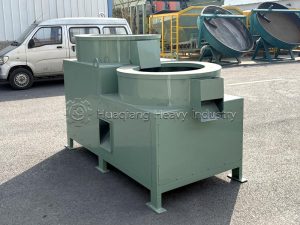
Core Selection Criteria
When selecting a granulator, the following factors should be comprehensively evaluated:
Raw Material Characteristics: For high-moisture, high-fiber materials, a new type of wet-process agitator granulator is preferred; for dry powdery materials, any of the three types of granulators are suitable; for high-strength granules or slow-release fertilizer production, roller extrusion is more advantageous.
Capacity Requirements: For production capacities below 1 ton per hour, a small disc granulator is suitable; for capacities of 1-3 tons per hour, a new type of wet-process granulator is recommended; for capacities above 3 tons per hour, consider a rotary drum granulator or a large roller extruder.
Product Positioning: For products prioritizing granule roundness and targeting the high-end market, disc granulation or wet granulation with rounding is more suitable; for products emphasizing low cost and large-scale production, roller extrusion offers better cost-effectiveness.
Investment Budget: Disc granulators have the lowest investment, new type of wet-process granulators are in the middle, and rotary drum granulators have higher initial investment but lower long-term operating costs.
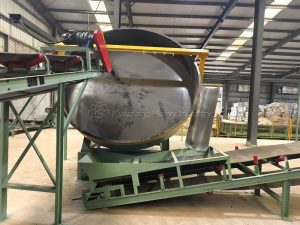
Installation and Commissioning Points
Foundation Preparation: The equipment should be installed on a level concrete foundation, and the anchor bolts should be secured with secondary grouting. Sufficient operating and maintenance space should be provided; at least 2 meters of operating distance should be left in front of the disc granulator.
Leveling Calibration: After installation, use a level to calibrate the frame’s levelness; the error should not exceed 1/1000. The disc inclination angle of the disc granulator should be adjusted according to the material characteristics, generally between 45° and 55°.
Feeding and Spraying System: The feed inlet and upstream conveyor should be flexibly connected to avoid vibration transmission caused by a rigid connection. The spray nozzles should be arranged in the material curtain area; the spray angle and pressure need to be repeatedly adjusted during trial operation.
Trial Operation Specifications: Run the machine under no-load for 2 hours, checking bearing temperature rise, vibration, and noise. For load testing, start with half capacity and gradually increase to the rated load, observing pellet formation and current changes.
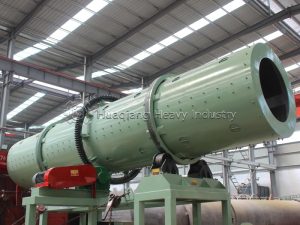
The selection of the right granulator is a critical decision for any organic fertilizer production equipment line. The journey begins with organic fertilizer raw material processing equipment, such as a half-wet material crusher machine, which prepares the fermented compost to the ideal particle size. This prepared material is then ready for the granulation stage, the essence of organic fertilizer production granulation. Within the organic fertilizer granulator series, several options exist. For producing high-quality, spherical granules, a complete organic fertilizer disc granulation production line is a classic and effective choice. For operations seeking a compact, efficient solution, a new type two in one organic fertilizer granulator can combine the final stages of conditioning and initial granulation. For columnar fertilizer granulation technology, a flat die pelleting machine or a roller press is used. The key selection criteria include: raw material characteristics (disc granulator for dry powders, new type granulator for high-moisture, high-fiber materials), capacity requirements (<1 t/h: disc; 1-3 t/h: new type; >3 t/h: drum or roller press), product positioning (disc for high sphericity, roller press for cost-effectiveness), and investment budget (disc lowest, new type medium, drum highest). Proper installation (leveling, calibration), trial operation (no-load for 2 hours, load from half to full capacity), and daily maintenance (checking wear, cleaning, lubrication) are essential for long-term stable operation. By carefully evaluating these factors, producers can select the optimal organic fertilizer production granulation equipment for their specific needs, ensuring high efficiency, product quality, and return on investment.
Daily Maintenance Reminders: Regularly check the wear of the stirring blades or teeth; replace them promptly if severely worn; clean the internal material of the equipment every shift to prevent drying and blockage; regularly lubricate bearings and transmission parts according to the instruction manual. Correct installation and standardized maintenance are the foundation for ensuring the long-term stable operation of the granulator.