
For small-scale organic fertilizer plants, choosing between a disc granulator (pan granulator) and a rotary drum granulator is a key decision that impacts production efficiency, cost control, and product quality. Both machines are widely used in organic fertilizer granulation, but they have distinct advantages and limitations tailored to different small-plant needs. This blog will compare the two to help you pick the best fit for your business.
Starting with the disc granulator, it is a top choice for small-scale plants due to its simplicity and low investment. The machine features a compact design, small footprint, and easy operation—no professional technical team is needed to run it, which reduces labor costs. Its intermittent continuous production mode is perfect for small batches, and it can produce uniform spherical particles with a high granulation rate (up to 90%). Additionally, the disc granulator is easy to clean and maintain, with low energy consumption, making it ideal for startups or plants with limited budgets.
On the other hand, the rotary drum granulator excels in continuous production and stability. Unlike the disc granulator, it operates continuously, which is suitable for small plants looking to scale up gradually. It handles a wider range of raw materials, including those with varying moisture content, and produces consistent particles with good fluidity. However, it requires more space and higher initial investment than the disc granulator. It also needs regular maintenance of its rotating parts, which may increase long-term operational costs for small plants with tight budgets.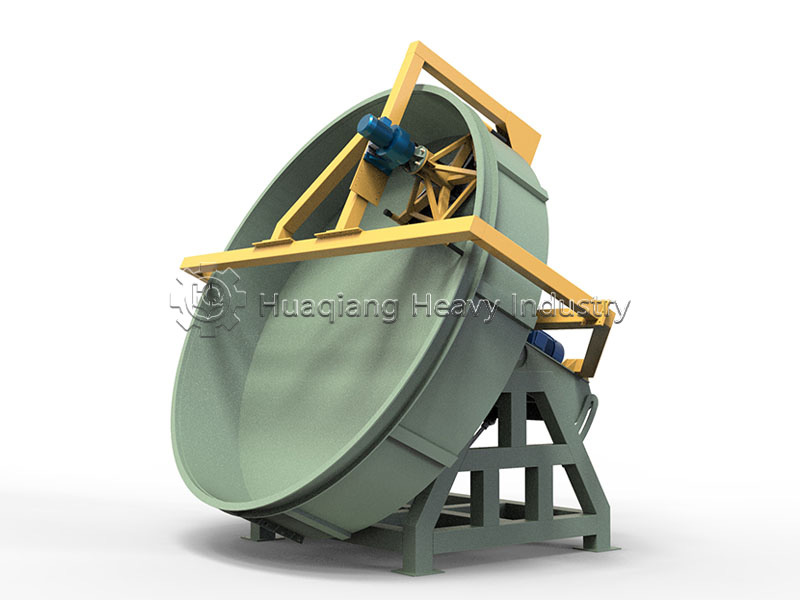
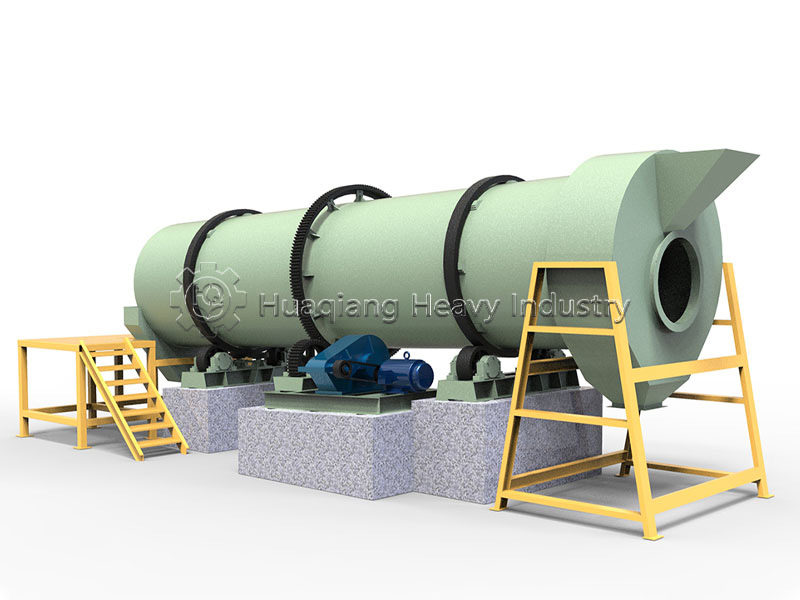
When choosing between the two, consider your production goals. If you prioritize low cost, easy operation, and small-batch production, the disc granulator is the better option. It aligns with the needs of small plants that focus on flexibility and cost-saving. If you plan to expand production volume in the future and need continuous operation, the rotary drum granulator is worth the investment, as it can adapt to higher capacity demands.
The choice between a disc granulator and a rotary drum granulator is a key decision for any small-scale plant. Both are important members of the organic fertilizer granulator series. The disc granulator is ideal for small-batch, flexible production, and its gentle tumbling action is perfect for an organic fertilizer disc granulation production line. The rotary drum granulator is designed for continuous, higher-volume output, making it the core of a rotary drum granulation production line. For a small plant planning to scale up, the rotary drum granulator offers a path to higher capacity. For fertilizer granules compaction, a fertilizer compactor (such as a double roller press granulator) uses dry compaction, a different technology from these wet agglomeration methods. For a complete npk fertilizer production line, a rotary drum granulator is often the standard choice for large-scale production of spherical granules. However, for a small plant with limited budget and space, the disc granulator offers a more accessible entry point. Its simple operation and low maintenance make it a favorite for startups. Ultimately, the choice depends on your production goals: a disc granulator for flexibility and low initial investment, or a rotary drum granulator for continuous operation and future scalability. Both are valuable tools within the organic fertilizer granulator series, each optimized for a specific production scale.
Whether you choose the disc granulator for its simplicity or the rotary drum granulator for its continuity, you can get custom solutions tailored to your small-scale plant. By evaluating your budget, production volume, and future plans, you can select the machine that maximizes your efficiency and returns.